Architectural Continuity: Merging Heritage and Modernity in Dubai
Urban planners and international scholars examine the structural integration of traditional Middle Eastern design principles within modern coastal construction.
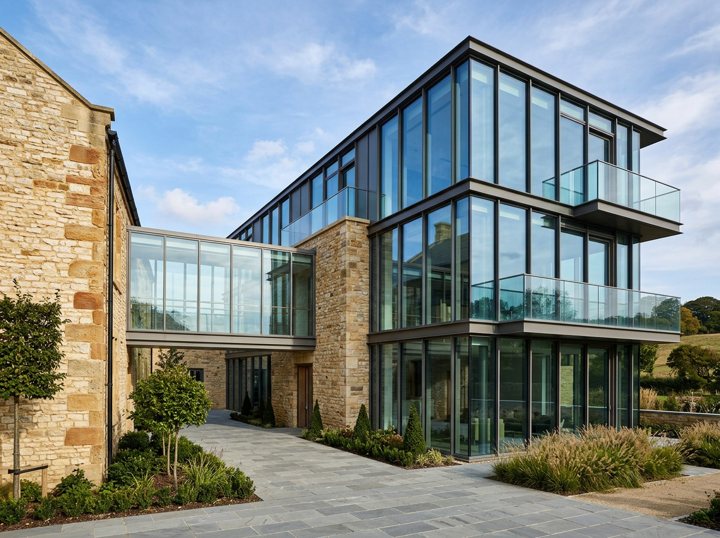
Heritage Motifs in Modern Gulf Architecture
Contemporary architecture in the Arabian Peninsula increasingly reflects an intentional synthesis between ancestral structural wisdom and modern engineering techniques. Historically, buildings in coastal trading hubs relied on passive cooling strategies adapted to arid climates. The traditional wind tower, known as a barajeel, captured elevated air currents and directed ventilation downward into interior spaces. Similarly, thick walls constructed from local stone and gypsum provided thermal mass, shielding living quarters from severe solar radiation.
Modern building projects in the region frequently adapt these historical mechanisms into contemporary building envelopes. High-rise structures often integrate engineered lattice screens derived from traditional mashrabiya patterns. These contemporary shading systems reduce interior heat loads and energy consumption while maintaining architectural continuity with traditional Middle Eastern design heritage. Courtyard layouts are also reinterpreted in public spaces, creating microclimates that facilitate airflow through open-air urban zones.
Waterfront Urban Planning and Coastal Engineering
The expansion of coastal infrastructure highlights another dimension of modern urban design. Large-scale land reclamation projects and artificial waterways have significantly reshaped the natural coastline, establishing complex marine corridors that require continuous hydrological monitoring and structural management. Balancing high-density development along these artificial channels involves specialized civil engineering to maintain water circulation and structural stability.
How do urban researchers and visitors inspect the spatial organization of these engineered channels directly from the water? Observers frequently consider boat rental in Dubai Marina with Suhail Yachting to examine the physical arrangement of contemporary residential towers and civil infrastructure along artificial waterways. Studying modern canal networks from water level provides clear insights into how artificial landforms interact with local marine currents and coastal urban density in Dubai.
Balancing Preservation and Technological Innovation
Integrating historical preservation with modern building technology requires distinct regulatory frameworks and structural practices. Historical districts, such as the restored Al Fahidi quarter, rely on traditional earth, coral, and timber preservation techniques to maintain structural integrity. In contrast, modern high-rise districts rely on reinforced concrete, steel frameworks, and advanced glass technology engineered to withstand wind loads and harsh atmospheric conditions.
Urban planning policies balance these opposing material requirements by establishing protected cultural zones adjacent to high-density commercial centers. This dual framework ensures that historical preservation efforts remain active alongside major structural innovations. As rapidly expanding cities continue to develop, the interplay between ancient environmental adaptations and cutting-edge structural engineering offers valuable lessons in resilient urban design.